
Virology & Disease Protection
Comprehensive protection against viruses, fungi and bacteria
Healthcare professionals rely on medical gloves to protect themselves and their patients from harmful pathogens like viruses, bacteria, and fungi. Choosing the right glove ensures dependable protection, helping maintain a safe and hygienic environment.
Do your gloves provide protection against viruses?
Our medical examination and surgical gloves are tested for resistance to viral penetration using internationally recognised test methods in both the United States and Europe.
In the U.S., testing is commonly performed in accordance with ASTM F1671/F1671M, a widely established standard used to evaluate resistance to blood-borne pathogen penetration. This method is recognised within the regulatory framework for medical gloves and is commonly referenced in FDA submissions for barrier performance.
In Europe, viral penetration resistance is addressed under EN ISO 374-5, which defines performance requirements for protective gloves against microorganisms. Testing is typically conducted using ISO 16604, or alternatively the more stringent ASTM F1671/F1671M method, which is used for to test and certify HARPS products..
By applying validated and widely accepted test methods across both regulatory regions, our gloves are designed to support consistent barrier performance expectations for healthcare environments where protection against viral contamination is required.
Protect your patient and yourself by double donning gloves
Double gloving: Reduce the risk of nosocomial infections
Hospital-acquired infections, also known as nosocomial infections, are among the main causes of complications and death in hospitalised patients. Hands are a main source of transmission, as pathogens are transmitted either directly (e.g., hands) or indirectly (e.g., droplet infection).
Two important ways to prevent nosocomial infections are the strict compliance with hygiene standards and the focused and restrained application of antibiotics. In terms of hygiene – specifically hand hygiene – wearing medical gloves as protective barrier is crucial, as well as regular and thorough hand disinfection.
Medical gloves, if intact, are highly effective in disrupting the infection chain and providing mutual protection to medical staff and patients. However, during invasive procedures, particularly during surgical interventions, there may be a higher risk of glove perforations. The practice of double gloving, which means wearing two pairs of gloves on top of each other, can significantly reduce the risk of glove perforations and, therefore, nosocomial infections.
Sempermed® supreme duo, our specially developed double-gloving solution, provides added safety during surgical procedures while allowing to spot potential perforations right away. Click the link below to find out more about the product.
suitable for viral protection needs
Related products
-
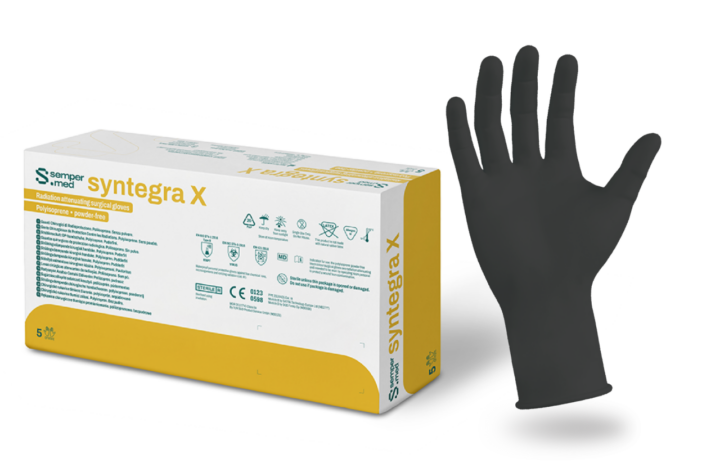
sempermed® syntegra X
$1.00Syntegra X is a glove designed with a unique material composition offering enhanced flexibility, excellent... -
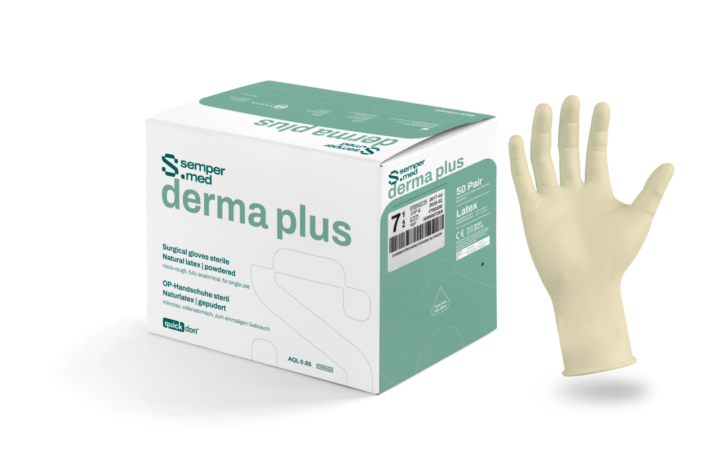
sempermed® derma plus
$1.00A lightly powdered, latex surgical glove manufactured using a specially developed double-dipping process for providing... -
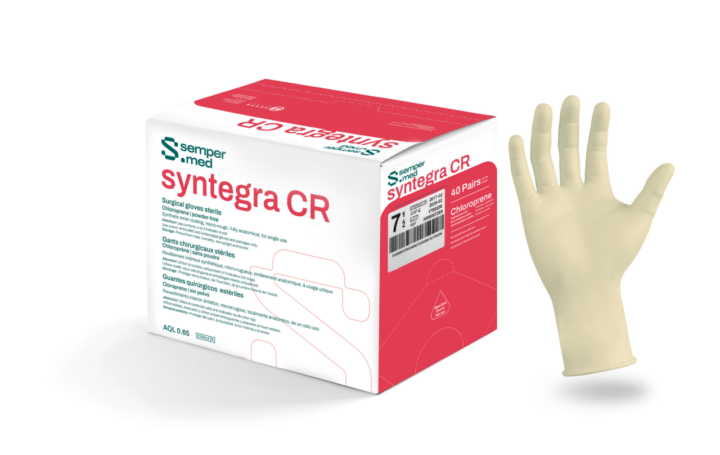
sempermed® syntegra CR
$1.00Healthcare professional have come to rely on the non-latex comfort and function of polychloroprene